
 By Yilu Support
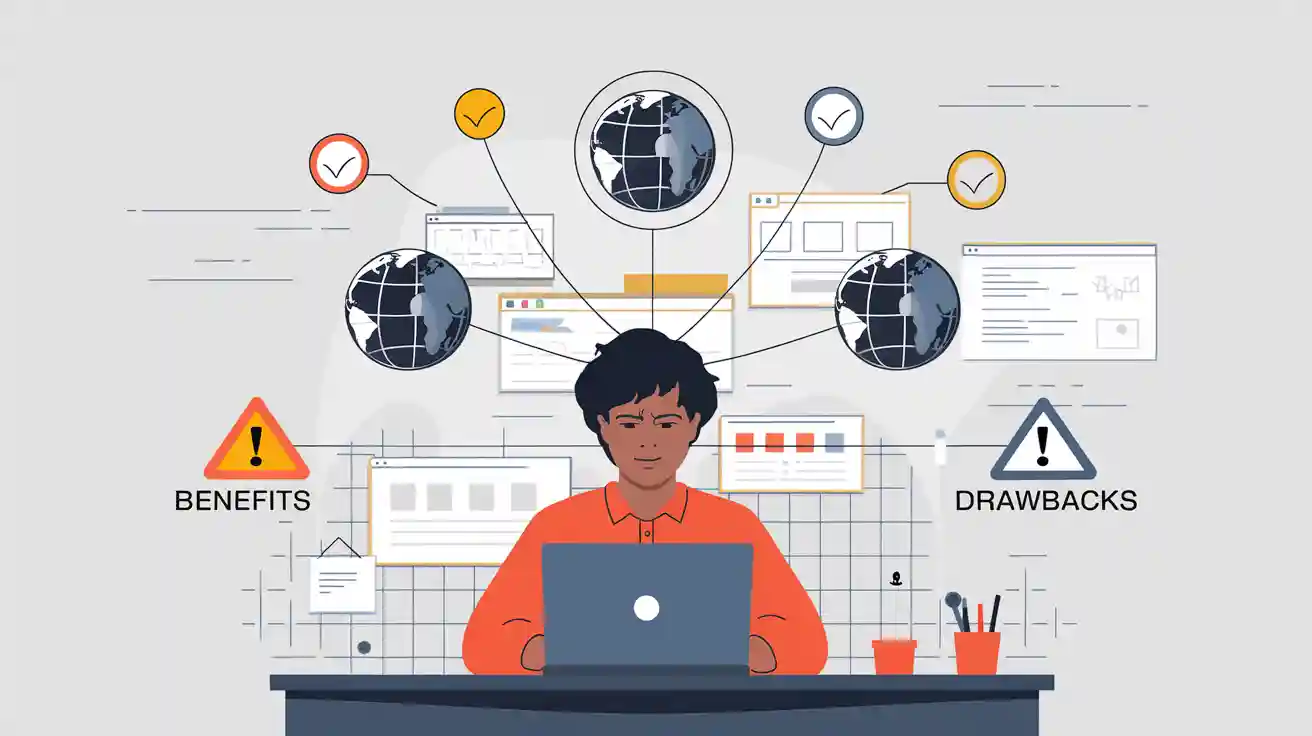
When you use a rotating IP address proxy, you get many IPs from a big group. This helps keep you safe and makes it hard for websites to follow you. These proxies let you get past CAPTCHAs and bans. You can also use more proxies as needed. But you might see slower speeds and pay more money. You also have less control because you share proxies with other people. Sometimes, what others do can hurt your use or get the proxy blocked. Here is a quick comparison:
Advantages | Disadvantages |
|---|---|
Easy to set up for web scraping | Shared proxy risks |
High immunity to IP bans | Slower speeds |
Large, global proxy pool | Higher costs |
Better anonymity and security | Not ideal for sticky sessions |
If you want to try a rotating IP address proxy, Yilu Proxy gives a free trial. You can see how these proxies work in real life.
Key Takeaways
Rotating IP address proxies help keep you private. They change your IP a lot. This makes it hard for websites to find or block you.
These proxies let you get around geo-restrictions and bans. This is good for web scraping, ad checking, and seeing content from anywhere.
Rotating proxies can make your internet slower. They can also cost more money. Pick the right proxy type for speed or privacy.
Use rotating proxies with care. Choose the right type. Keep your proxies safe. Change IPs at smart times so you do not get caught.
Try services like Yilu Proxy with a free trial. You can test rotating proxies. This helps you find the best one for your online work. It is safe and easy.
Rotating IP Address Proxy Basics
Definition
A rotating IP address proxy gives you a new IP each time you connect or send something. Your real IP is kept secret. The proxy has many IP addresses and switches them for you. This is called IP rotation. Using a dynamic proxy IP helps keep your identity private. It also allows you to avoid getting blocked by websites. These proxies are suitable for web scraping, ad checking, and getting past geo-blocks. There are different types of proxies. Some are residential, some are data centers, and some are mobile. Each type has its good points.
How It Works
A dynamic proxy IP works as a go-between for you and the website. Every time you ask for something, the proxy gives you a new IP from its group. This keeps your absolute IP safe. It also makes it hard for websites to follow you. Some proxies use special software to change IPs after a set time or after several requests. You can make your proxy servers if you want more control. Most people use services that do the rotation for them. A dynamic proxy IP helps you collect data, check ads, and see content from other places.
A rotating IP address proxy:
Gives you a new IP for every request or session.
Uses a big group of dynamic proxy IP addresses.
Helps you not get banned or blocked.
It is suitable for automation, research, and security testing.
Rotating vs. Static
You can pick a dynamic proxy IP or a static proxy IP. It depends on what you need. A static proxy IP gives you the same IP every time you connect. This is good for things that need a steady connection, like managing accounts. But a static proxy IP is easier for websites to spot and block. A rotating IP address proxy changes your IP often. This makes it harder for sites to see patterns. It gives you more privacy and helps you not get banned. The table below shows the main differences:
Aspect | Static Proxy IP | Dynamic Proxy IP (Rotating) |
|---|---|---|
IP Address | Stays the same | Changes with each request/session |
Anonymity | Lower | Higher |
Speed | Usually faster | Can vary |
Maintenance | Manual | Automated |
Use Cases | Account management, steady tasks | Web scraping, ad testing, bypassing blocks |
Ban Risk | Higher | Lower |
Pick the proxy type that fits your needs. If you want privacy and flexibility, choose a dynamic proxy IP. If you need a steady connection, a static proxy IP is better.
Advantages of Rotating IP Address Proxy
Rotating IP address proxies have many good points for web users today. You get better privacy, can get around geo-blocks, avoid bans, scrape websites more easily, and stay safer online. These proxies help you hide your actions, see more things, and keep your internet use steady.
Anonymity
A rotating proxy helps keep your identity safe. Your real IP can show where you are and what device you use. When your IP changes a lot, it is harder for others to watch what you do. Each time you go online, the proxy gives you a new IP. This makes tracking you much harder and lowers the chance of attacks. Your real IP stays hidden, so you get more privacy. It is tough for websites, ads, or hackers to follow you.
Rotating proxies hide your real IP by changing it often.
You do not get tracked or watched by websites or others.
Residential proxies use real devices, so they are hard to spot.
Static proxies use one IP, which is easy to block.
More privacy keeps you safe from attacks and helps you browse safely.
Bypassing Restrictions
Some websites block people based on where they live. Rotating proxies help you get past these blocks and see content from many places. These proxies give you a new IP each time, so it looks like you are in different spots. Residential proxies use real user IPs, so sites think you are a regular visitor. This lets you see content from over 195 countries and avoid anti-bot systems.
Rotating proxies help you get past geo-blocks and see blocked sites.
You can watch videos, read news, or use services for other regions.
Changing IPs looks like everyday user actions, so sites do not notice bots.
You can use proxy rotation with other tools for better results.
Avoiding Bans
Websites may ban people who send too many requests from a single IP address. Rotating proxies fix this by spreading your requests over many IPs. This makes it look like many people are using the site. You do not get banned, stopped by CAPTCHAs, or blocked when scraping data. Good residential proxies work well, even on hard sites.
Rotating proxies spread out requests to stop bans.
You can keep scraping or getting data without being blocked.
Many people who use automation trust rotating proxies to keep things running.
It is smart to change user agents and headers with IPs.
Web Scraping
Rotating proxies make web scraping and data collection easier. When you gather data, you might get blocked. Rotating proxies change your IP for each try, so sites cannot tell you are scraping. Residential proxies use real home IPs, so you get blocked less. You can collect lots of data without stopping.
Rotating proxies help you scrape sites by lowering block rates.
You can get data from many places at once.
Changing IPs keeps your session working and avoids errors.
You save time and money by not having to try repeatedly.
Good proxies let you collect data without problems.
Security
Security is a big plus with rotating proxies. By hiding your IP, you stop others from tracking or attacking you. Residential proxies use real IPs from ISPs, so they are less likely to get blocked. Security teams use these proxies to test, watch, and study threats without revealing their identity. You can check ads, see blocked content, and watch threats safely.
Rotating proxies give you more privacy by changing IPs often.
You lower the chance of bans and avoid anti-bot systems.
These proxies help you get past CAPTCHAs and other blocks.
Residential rotating proxies let you collect data smoothly.
Rotating proxies change IPs, which makes web scraping and big data jobs safer than static proxies.
Tip: Rotating proxies work well for marketing, handling many accounts, and getting past geo-blocks. They give you more choices and safety for many online jobs.
Aspect | Impact on User Experience |
|---|---|
Privacy and Anonymity | Rotating proxies boost privacy by changing IPs, so tracking is hard. |
Avoidance of Detection/Blocking | Changing IPs helps get past anti-bot rules and limits, so you get banned less. |
Access to Geo-Restricted Content | You can pick IPs from certain places and see content from anywhere. |
Performance and Stability | Some proxies may be slower, but residential ones are more steady. |
Use Cases | Good for scraping, data collection, marketing, and getting past geo-blocks. |
Rotating IP address proxies give you many good things. You get more privacy, can get around blocks, avoid bans, scrape better, and stay safer. These proxies help you hide your actions, see more, and keep your internet use smooth and steady.
Disadvantages of Rotating Proxies
Rotating proxies have some good points, but there are also problems. These proxies can slow down your internet. You might see your connection stop or get interrupted. They can cost more money than other types. Sometimes, they do not work with every website or tool. You should know about these problems before you pick a proxy.
Speed Issues
Rotating proxies are usually slower than static ones. You might notice your pages load slowly or even stop loading. There are a few reasons for this:
Some residential proxies come from places with slow internet.
If you send too many requests, the proxy can get crowded.
The proxy provider’s network can get busy and slow down.
Websites might slow you down if they receive too many requests.
Changing IPs too much or using weak proxies can cause timeouts.
You can try some things to make your speed better:
Try different proxy locations to find faster ones.
Send fewer requests to avoid slowdowns.
Change IPs at the right time to keep things smooth.
Use less data for each request.
If you need many things on one page, use sticky IPs. For lots of sessions, rotating IPs help spread the work.
Note: You might not get the fastest speeds with rotating proxies, especially if you use residential IPs from slow places.
Reliability
Reliability is essential when using proxies. Rotating proxies change your IP often, so you do not get blocked. This happens by itself, so you do not have to do it. You get more uptime and fewer stops than with static proxies.
Rotating residential proxies switch IPs for you, so you do not have to.
You get more success because you avoid bans and limits.
Many rotating proxies give fast and steady connections, with quick response times.
Most providers say you get 99% or better uptime, so things stay steady.
Static proxies do not provide as much protection, so they get blocked more and stop working.
Big IP pools and many locations help you avoid limits and blocks.
Still, you might see your connection change a lot. Changing IPs often can make your speed fluctuate. Sometimes, you might lose your session if the proxy changes at an inopportune moment.
Cost
Cost is a significant consideration when picking a proxy. Rotating proxies usually cost more than static ones. This is because it is hard to manage many dynamic IPs. Providers charge more for this service. Here is a table that shows the price difference between rotating and static residential proxies:
Provider | Rotating Residential Proxy Price (per GB) | Static Residential Proxy Price (per GB) | Approximate Cost Difference (Static – Rotating) |
|---|---|---|---|
NetNut | $3.53 | $14.40 | $10.87 |
Bright Data | $8.40 (shared rotating) | +$15.60 (dedicated static premium) | ~$15.60 |
Nimble | $7.80 | N/A | N/A |
IPRoyal | ~$7.00 (residential, includes static) | N/A | N/A |
You can see that static residential proxies often cost $7 to $15 more per GB than rotating ones. This extra cost is because static proxies are just for you and are more reliable. Rotating proxies still cost a lot, especially if you need large amounts of data or multiple sessions.
Compatibility
Compatibility can be hard with rotating proxies. Some websites or tools do not work well if your IP address changes frequently. If you need to stay logged in, a rotating proxy might break your session. Some apps or sites might block you if your IP changes too much.
Rotating proxies might not work with every program or website.
Some sites have strong security and may think your changing IPs are strange.
You might need extra setup or special software to use rotating proxies.
Using rotating proxies can be tricky and may require tech skills.
Drawback | Explanation |
|---|---|
Higher cost | Rotating proxies are generally more expensive than static proxies due to the complexity of managing a large dynamic IP pool. |
Complexity in setup and management | Requires more technical expertise or specialized software compared to static proxies; some providers offer automation to ease this. |
Potential inconsistent performance | Frequent IP changes can cause variations in connection speed or latency, leading to unstable performance. |
Tip: Before you pick a proxy, check if your website or app works with rotating proxies. Sometimes, a static proxy is better if you need a steady connection.
Rotating proxies have many good points, but you should think about these problems too. You might get slower speeds, interruptions, higher costs, and setup problems. Make sure you choose the right proxy for your needs and test it before using it for essential jobs.
Dynamic Proxy IP vs. Static
Use Cases
You need to pick the right proxy for your job. A dynamic proxy IP is best if you want to hide your identity or avoid getting banned. These proxies are suitable for web scraping, ad checking, and collecting large amounts of data. The dynamic proxy IP changes your address a lot, so websites cannot block you easily. If you need to handle many accounts or log in from one place, a static proxy IP is better. This proxy keeps your address the same, so you look like a real user. You can use a static proxy IP for e-commerce checkouts, SEO work, and jobs that need a steady connection.
Use a dynamic proxy ip for:
Web scraping
Ad verification
Getting past geo-blocks
Collecting lots of data
Use a static proxy ip for:
Managing many accounts
E-commerce checkouts
SEO monitoring
Seeing region-locked content
Tip: Dynamic proxy ip gives you more privacy and helps you not get banned. But it can be slower and might break your session. Static proxy ip gives you a steady and fast connection. But if your IP gets blocked, you could get banned.
Performance
Performance is essential when you choose a proxy. A static proxy IP gives you a fast and stable connection. You get quick replies and fewer drops. This proxy is excellent for jobs that need fast and steady links. A dynamic proxy IP may be slower because it frequently changes its IP address. You might see some delays or drops. But these proxies help you not get blocked and keep your work going.
Feature | Static Proxy IP | Dynamic Proxy IP |
|---|---|---|
Speed | Fast and steady | Medium, can be slower |
Connection | Lasts long, stays steady | Changes, may drop |
Best for | Fast, steady jobs | High privacy, big data |
Pick a static proxy ip for jobs that need top speed. Use a dynamic proxy ip if you want to avoid bans and do not mind slower speeds.
Security
Security matters for every proxy user. A static proxy IP gives you a steady address, which helps with long sessions and safe logins. If you use a dedicated static proxy IP, you do not share it with others, so you avoid problems from bad users. But if your static proxy IP gets blocked, you lose access. A dynamic proxy IP changes your address a lot, so sites cannot track you. This helps you stay safe and not get banned. But a dynamic proxy IP can break your session and make you log in again. You get more privacy, but you may have to reset your session.
Aspect | Static Proxy IP | Dynamic Proxy IP |
|---|---|---|
IP Address | Stays the same | Changes a lot |
Security | High if you use it alone | High privacy, less session control |
Risk | Blocked IP means no access | Session breaks, need to log in again |
Use a static proxy ip for jobs that need a steady identity. Pick a dynamic proxy ip if you need to hide and not get banned.
Choosing Proxies
Key Features
When you choose proxies, you need to look at several essential features. The right proxy can make your online work safer and smoother. Here are some things you should check before you pick a proxy:
Look at the size and diversity of the proxy IP pool. A bigger pool gives you better anonymity. It also helps you avoid detection by websites.
Geo-targeting is important. Good proxies let you pick IPs from different countries, cities, or even carriers. This helps you access local content.
Check the connection stability and speed. Fast and stable proxies give you high uptime and low latency. This is very important for data collection.
Some proxies offer both rotating and sticky sessions. Rotating proxies change your IP often. Sticky proxies keep the same IP for a longer time. You can pick what fits your job.
Make sure the proxy provider uses ethical sourcing. This means the IPs come from real users who agree to share them. It keeps your use legal and private.
Pricing and scalability matter. You want proxies that fit your budget and can grow with your needs.
Advanced features like API integration and intelligent routing can help you use proxies more easily. These features also boost performance.
Flexibility in rotation frequency and session management lets you control how often your proxy changes.
Always check if the proxy provider follows privacy and security standards. This keeps your data safe and your use legal.
Tip: Always test proxies before you use them for important tasks. This helps you see if the proxy works well for your needs.
Yilu Proxy Free Trial
If you want to try proxies without risk, Yilu Proxy gives you a free trial. You can test their proxy service and see how it fits your needs. Yilu Proxy offers a large pool of IPs, so you get strong anonymity. You can use both rotating and sticky proxies. Their proxy network covers many countries and cities. This helps you access content from almost anywhere.
Yilu Proxy focuses on speed and stability. You get fast connections and high uptime. Their proxy service supports API integration, which makes it easy to use with your tools. You can control how often your proxy rotates. This gives you more power over your sessions.
The free trial lets you see how the proxy works in real life. You can check the speed, test geo-targeting, and see if the proxy fits your tasks. Yilu Proxy uses ethical sourcing for its IPs. This means you use proxies that respect privacy and follow the rules.
If you want to try proxies for web scraping, ad checking, or bypassing blocks, Yilu Proxy is a good choice. The free trial helps you decide if their proxy service is exemplary for you.
When to Use Rotating IP Address Proxy
Best Scenarios
Rotating proxies are good when you want to hide your identity. They help you not get banned on websites. If you use many accounts or do web scraping, these proxies work well. Changing your IP address often makes it harder to get blocked. You can also use proxies to see websites from other countries. This helps you get around geo-restrictions. If you want to stay private, rotating proxies make it hard to track you.
Here are some good times to use a rotating proxy:
Stop bans and blocks when you use many accounts.
Get past geo-restrictions to visit sites from other places.
Hide your real IP address for more privacy.
Use bots and web scraping tools to collect data.
Handle lots of data without being noticed.
Manage social media or shopping accounts safely.
Experts say residential or mobile proxies work best. These proxies look like real users and help you not get caught.
Tips
To use your rotating proxy well, follow some easy steps. First, pick the right proxy for your job. Residential proxies are best for scraping and privacy. Datacenter proxies are fast but can get blocked more easily. Always keep your proxies safe with strong passwords or IP allowlisting.
Keep your proxy software up to date. Use HTTPS proxies for private tasks to keep your data safe. Change your proxies at smart times. Do not switch too much in one session, or sites may notice. Watch your proxy use and check logs for anything strange. Please stay away from free proxies because they can be slow or unsafe.
You should also slow down your requests to appear more human-like. Use CAPTCHA solvers if you have trouble scraping. Change user agents with your proxies to avoid detection. Pick proxies from the right place for better data. Always check if your proxies work well to keep your connection fast and steady.
Tip | Why It Matters |
|---|---|
Choose the right proxy type | Fits what you need for speed or privacy |
Secure your proxies | Keeps your data and accounts safe |
Monitor performance | Lets you find and fix slow proxies |
Rotate at smart intervals | Makes it less likely to get blocked |
Avoid free proxies | Lowers the chance of malware and bans |
Always follow the law and be fair when using proxies. This keeps you safe and responsible.
When you pick proxies, you get more privacy and can avoid bans. Proxies with lots of IPs and session control help you get past CAPTCHAs and limits. Sometimes, your internet may be slower or cost more, especially with residential proxies. If you share proxies, other users might cause problems for you. Think about what matters most: privacy, speed, or how steady your connection is. Try Yilu Proxy’s free trial to see if proxies work for you.
You can use proxies for web scraping, checking ads, or social media research. Choose proxies that fit your needs and browse the web more safely.
FAQ
What is a rotating IP address proxy?
A rotating IP address proxy gives you a new IP each time you connect. This helps you stay private and avoid bans. You can use it for web scraping, ad checking, or getting past geo-blocks.
Can rotating proxies help me avoid CAPTCHAs?
Yes, rotating proxies can help you avoid CAPTCHAs. When your IP changes often, websites find it harder to spot bots. You see fewer CAPTCHAs and can collect data more easily.
Are rotating proxies safe to use?
You stay safer with rotating proxies because your real IP stays hidden. Good providers use secure networks and ethical IP sources. Always choose a trusted proxy service to protect your data.
When should I use a static proxy instead of a rotating one?
Use a static proxy when you need a steady connection, like managing accounts or logging in. Static proxies keep the same IP, which helps you stay logged in and avoid session breaks.