
 By Yilu Support
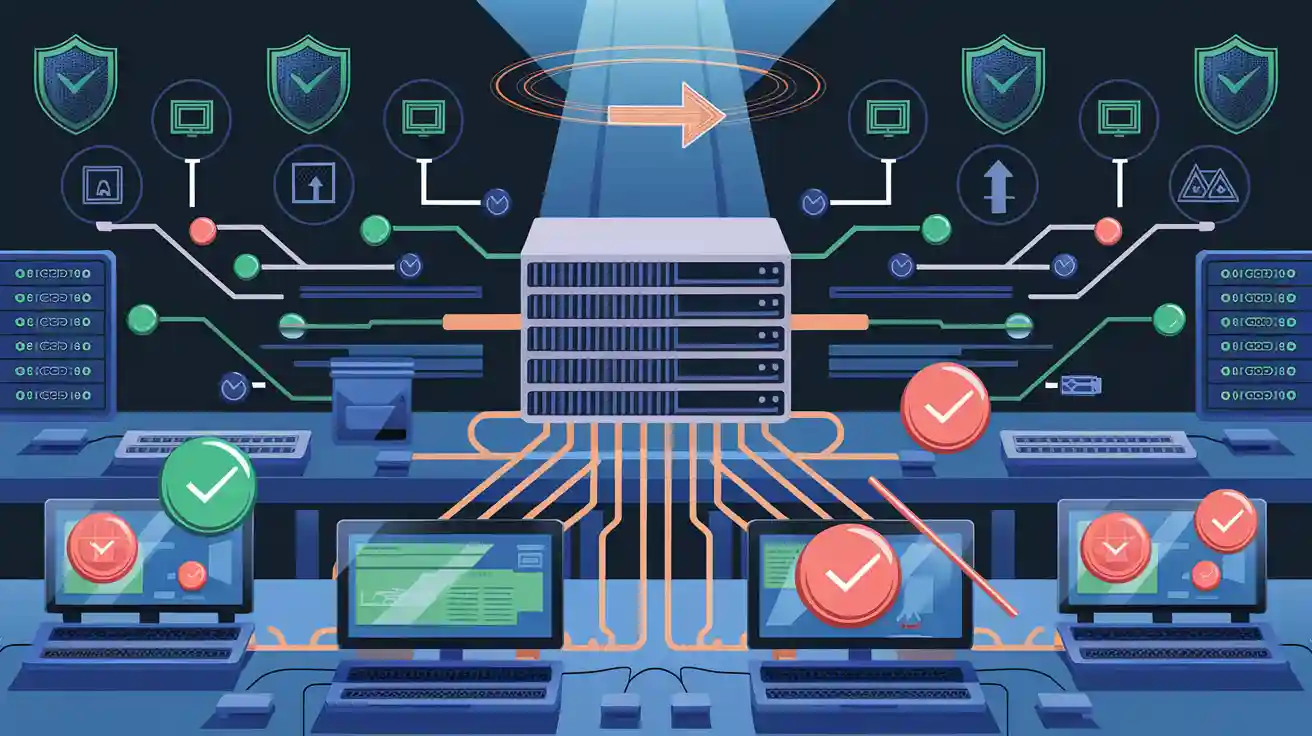
You want to see if rotating datacenter proxy solutions are right for you. These proxies have good points and bad points.
Pros of Proxies | Cons of Proxies |
|---|---|
Easy to set up for web scraping and automation | Slower speeds because IPs change often |
Good protection from IP bans | Not good for jobs that need the same IP |
Big and different proxy pools | Costs more because you use many IPs |
Strong safety and can grow with your needs | Some sites still block these proxies |
Proxies help you get past CAPTCHAs and reach protected sites. Yilu Proxy gives a FREE TRIAL, so you can try these proxies without risk.
Key Takeaways
Rotating datacenter proxies switch your IP a lot. This helps you avoid being blocked or seeing CAPTCHAs when scraping websites or using bots. These proxies are very fast and work most of the time. They can handle numerous requests, making them well-suited for large-scale data jobs. Rotating proxies keep your genuine IP private. But websites can spot them more easily than residential proxies. Using rotating proxies can cause problems with sessions. You might get logged out. Try to keep the same IP address during one session if possible. Test rotating proxies with a free trial first. Ensure they are fast, reliable, and rotate well before making a purchase.
Rotating Datacenter Proxy Overview
What Are They
Rotating datacenter proxies let you visit websites with many IP addresses. These proxies originate from cloud data centers, not from homes or mobile devices. People use rotating proxies to hide their online identity or to prevent being blocked. Static proxies maintain a single IP address, whereas rotating proxies frequently change your IP address. This is called proxy rotation.
Here are some things that make rotating datacenter proxies special:
Rotating proxies change your IP address at specific intervals or after each request.
You receive a large number of IP addresses from various locations.
Proxy rotation makes it challenging for websites to block or track you.
These proxies are suitable for scraping, data gathering, and automation.
Static proxies use a single IP address, which is beneficial if you require a stable connection.
You can utilize rotating data center proxies for scraping, data collection, and market research. Many companies use them to get information without being blocked.
How They Work
Rotating proxies have a system that automatically changes your IP address. When you send a request, the proxy server selects a new IP address from its pool. This can occur every time you connect, after a few requests, or after a certain amount of time. Proxy rotation helps you appear as multiple users to websites.
Here is how proxy rotation works in real life:
The proxy assigns a new IP address for each request or periodically.
You can set the rotation to fit your needs, such as every five minutes or with every request.
Some rotating proxies allow you to retain the same IP address for a short period if desired.
Smart proxy rotation can change based on how websites behave, so you avoid getting banned.
Rotating data center proxies help with extensive scraping and data jobs. You can get data from lots of sites at once. These proxies help you bypass CAPTCHAs and IP bans, making scraping easier. Companies use rotating proxies for checking prices, ad checks, and brand safety. You can also use them for market research and digital ads.
Tip: If you want to get lots of data or scrape many sites, rotating proxies with strong proxy rotation help you avoid blocks and keep your work going.
Rotating Datacenter Proxy Advantages
Security
You want to keep your online actions private and safe. Rotating proxies help by changing your IP address a lot. This makes it hard for websites to follow or block you. Using a rotating datacenter proxy lowers your chance of getting banned. These proxies hide who you are. You get more privacy because your requests appear to come from multiple people. This helps you stay hidden when collecting data or using automation.
Tip: Rotating proxies help you get past CAPTCHAs and avoid IP bans. This makes your scraping projects safer and steadier.
IP Rotation
Proxy rotation is a crucial aspect of rotating proxies. It changes your IP address with every request or periodically. This makes your web traffic appear to come from multiple locations. When you scrape websites, proxy rotation helps you avoid bans and CAPTCHAs. Each request uses a new IP address, so websites cannot easily spot patterns or block you. Studies show that changing IP addresses frequently is one of the most effective ways to stay hidden during large-scale scraping jobs. You can also change your browser’s User-Agent to look even more real.
You get these good things when you use rotating proxies:
Less chance of getting blocked or banned
Fewer CAPTCHAs to solve
More success when collecting data
Better results for automation and scraping
Speed and Uptime
You need fast and steady proxies for big jobs. Rotating proxies from top providers give high speeds and strong uptime. This means you can send numerous requests without slowdowns or interruptions. Here is a quick look at average speed and uptime from top providers:
Provider | Average Speed | Uptime |
|---|---|---|
Webshare | Up to 100 Gbps aggregate | 99.97% |
Rayobyte | Up to 1 GB/s | Reliable |
Bright Data | High speed | 99.99% |
Thordata | Fast response (~0.41 s) | 99.99% |
With rotating proxies, you get both speed and steady service. This helps you finish scraping and automation jobs fast. You do not have to worry about downtime or slow connections. Fast proxies also enable you to handle more data simultaneously.
Scalability
Rotating proxies make it easy to grow your projects. You can handle millions of requests each day because these proxies support many connections and fast proxy rotation. Businesses utilize rotating proxies for large-scale scraping, SEO checks, ad checks, and other purposes. You can send multiple requests simultaneously without being blocked. This is particularly important if you need to collect large amounts of data or run extensive automation jobs.
Rotating proxies let you:
Grow your scraping and automation jobs
Manage many connections at once
Keep your work running well, even with heavy loads
Save money compared to other proxy types, while still getting good speed and privacy
Note: Yilu Proxy gives a free trial so you can test these benefits yourself. Try their rotating proxies to see how they help your security, speed, and growth.
Rotating Datacenter Proxy Disadvantages
Detection Risk
Rotating proxies are easier for websites to spot. Many websites utilize innovative tools to locate IP addresses of data centers. When you use rotating proxies, your traffic comes from these places. This makes it simple for sites to block you. Residential proxies utilize genuine home IP addresses, making them appear like regular users. As a result, rotating proxies are blocked more frequently.
Tests show residential proxies work on most restricted sites. Rotating proxies from data centers get blocked and face more CAPTCHAs. You may encounter more failed requests and spend time on troubleshooting. This happens because your traffic appears fake to the website.
Note: Rotating proxies are fast and cheap, but they are easier to spot and block because they do not look like real users.
Common disadvantages reported by users and experts:
Less trust and privacy than mobile or residential proxies
More likely to get blocked by websites
Need extra software to rotate IPs
Hard to balance speed and performance
Not as private and a higher chance of blocks
Session Issues
You may encounter issues with sessions when using rotating proxies. Many websites track your session by your IP address. If your IP changes during a session, the site may log you out. You might have to log in again. This can disrupt your work, especially if you manage accounts or require a stable connection.
Some common session problems with rotating proxies are:
You may lose your session and need to log in again.
Sudden IP address changes can trigger security alerts.
Account management is more complex than with residential proxies.
You need one proxy for each account for the best results.
Keeping login times steady helps you avoid getting caught.
You should manage device fingerprints to stay safe.
Only rotate proxies when you finish a task, not during a session.
If you want to keep a session active, use the same proxy for all requests in that session. Only change proxies when you finish or log out.
Speed Limitations
Rotating proxies can slow down your work. Each time you switch IPs, your connection may pause or reset. Some proxy servers are slower than others. If you use shared proxies, you might share speed with other users. This can make things slower, especially when many people use them.
You may also see speed drops if you rotate too much. It is challenging to strike a balance between speed and rotation. If you rotate too quickly, you get blocked more often. If you rotate too slowly, you lose the benefit of changing IPs. Some users claim that rotating proxies are not as fast as static proxies for long-running jobs.
Cost
Consider the cost when selecting rotating proxies. These proxies often charge based on the amount of data you use or by the number of ports. This pay-as-you-go approach is suitable for both short and large jobs. For long-term use, static proxies may be more cost-effective because they charge per IP and offer unlimited bandwidth.
Proxy Type | Pricing Model | Cost Range (USD) | Notes on Usage and Cost Efficiency |
|---|---|---|---|
Static Datacenter Proxies | Per-IP pricing | $1.18 to $3.99 per proxy | Unlimited bandwidth; best for steady, long-term use |
Rotating Datacenter Proxies | Traffic-based or port-based | $0.65 to $8.00 per GB (traffic) | Flexible for high-volume, short-term jobs |
Residential Proxies (Rotating) | Traffic-based | $2.99 to $8.00+ per GB | Highest cost, best for quality and anonymity |
Static proxies are cheaper for steady use.
Rotating proxies are flexible but can cost more if you use lots of data.
Residential proxies cost the most but give the best privacy.
Anonymity
Rotating proxies do not provide as much protection as residential proxies. Websites can often tell when traffic comes from a data center. This makes it easier for them to block or flag you. If you require high privacy, residential proxies are a better option. They use real home IP addresses, which appear more normal to websites.
Proxy Type | Anonymity Level | Detection Risk by Websites | Typical Use Cases | Speed and Cost |
|---|---|---|---|---|
Rotating Datacenter | Lower anonymity | Higher likelihood of detection | eCommerce research, SEO, casual browsing | High speed, cost-effective |
Rotating Residential | High anonymity, clean reputation | Lower likelihood of detection | Web scraping, account management, ad verification | Slightly slower, higher cost |
You may also have problems if you share proxies with others. If someone else uses the same IP for bad things, you could get blocked too. You cannot control who uses the same IPs. This can lower your success and privacy.
Tip: If you want the best privacy and want to avoid bans, pick residential proxies. Rotating datacenter proxies are good for speed and cost, but they do not hide you as well.
Rotating Proxies Use Cases

Best Uses
Rotating proxies are helpful for many online jobs. They are ideal when you need fast work and want to save money. Many companies use them for SEO checks, price watching, and browsing. If you need to obtain a large amount of data quickly, rotating proxies prevent you from getting blocked. You can use them for scraping public sites, checking ads, and market research. Studies suggest that rotating proxies are best when you do not require top-level privacy but want quick and affordable results. For example, they are well-suited for scraping prices or tracking search engine rankings.
When to Avoid
Rotating proxies are not right for every job. Do not use them if you need the same IP address for an extended period. Jobs such as managing accounts, logging in, or using geo-blocked sites may not be supported. These proxies frequently change your IP address, which can disrupt sessions or log you out. If you require strong privacy or need to appear as a genuine user, consider using residential proxies instead. Some sites block datacenter proxies more frequently, so you may encounter more CAPTCHAs or failed attempts. If you work with private data or need to remain anonymous, select an alternative proxy type.
Decision Factors
Think about a few things before you choose a proxy for your project. The table below shows the main differences:
Decision Factor | Residential Proxies | Datacenter Proxies |
|---|---|---|
IP Origin | Real ISP-assigned home IPs | Cloud server IPs |
Speed | Moderate | Very fast |
Detection Risk | Very low | High |
Cost | Higher | Lower |
Best Use Cases | Protected site scraping, ad checks, geo access | Bulk scraping, high-speed tasks |
Other things to think about are:
How well the proxy hides you
If the proxy is private or shared
What protocols it supports, like HTTP or SOCKS
How much it costs and what support you get
If you follow the law and website rules
Tip: You can try Yilu Proxy’s free trial to see if rotating proxies work for your next scraping or data job.
Free Trial
Yilu Proxy Offer
You want to see how proxies work before you pay. Yilu Proxy gives you a free trial at https://aggproxy.org/trial-offer-2/. This trial lets you test proxies in real situations. You can check if these proxies fit your needs for web scraping, data gathering, or automation.
When you try proxies, you should look at important performance metrics. These metrics help you decide if the proxies are fast, reliable, and easy to use. Here is a table of key things to check during your free trial:
Metric | What It Means | Why It Matters |
|---|---|---|
Success Rate | How many requests work without errors | Shows if proxies can reach your sites |
Average Response Time | How fast you get answers from websites | Faster proxies save you time |
Download Speed | How quickly you can get data | High speed means better performance |
IP Pool Size & Diversity | Number and variety of IPs you can use | More IPs help avoid blocks |
Rotation Behavior | How often proxies change your IP | Good rotation keeps you hidden |
Concurrency Support | How many requests you can send at once | Needed for big projects |
Target-Specific Performance | How well proxies work on popular sites | Shows real-world results |
You should also pay attention to these features when testing proxies:
Proxies should have a clean reputation. Good providers regularly check and rotate IP addresses to ensure their security.
Automatic IP rotation helps you avoid bans. Some proxies allow you to retain the same IP address for a short period if needed.
Free trials often come with limited bandwidth. Use this time to test speed and reliability.
Look for proxies that support multiple connections simultaneously. This helps with large data jobs.
Check if you can use IP allowlisting or username/password for proxy access.
Tip: Use your free trial to run real tasks. Try scraping, automation, or browsing. Watch how the proxies handle blocks, speed, and session changes.
Testing proxies with a free trial gives you real data. You can see if Yilu Proxy’s service matches your needs. This risk-free offer helps you make a smart choice before you buy.
There are numerous options when selecting proxies. Rotating datacenter proxies work well and keep you safe. They let you reach websites all over the world. You can get fast speeds and protect your data. These proxies also make it easy to grow your projects. IP rotation helps stop attacks and keeps your info safe.
Proxies help keep your private info hidden and make things faster.
They can save money and let many people use them.
If too many people use them or they are not managed well, they can slow down.
Sometimes, proxies do not work well if too many people use them.
Select proxies that meet your specific needs. You can try Yilu Proxy’s free trial to see if these proxies are suitable for your work.
FAQ
What is the main reason to use rotating datacenter proxies?
People use rotating datacenter proxies to stop getting blocked. These proxies change your IP address a lot. This makes you look like many users online.
Can you use rotating datacenter proxies for account management?
It is not a good idea to use these proxies for account management. The IP address changes often. Many websites may log you out or block you if your IP changes during a session.
How do rotating datacenter proxies help with web scraping?
Rotating datacenter proxies let you send lots of requests to websites. You can get a lot of data fast. This helps your web scraping projects work better.
Are rotating datacenter proxies safe to use?
You are safe if you pick a trusted provider. Good proxies keep your identity private and help you avoid bans. Always choose a provider with a good reputation.