
 By Yilu Support
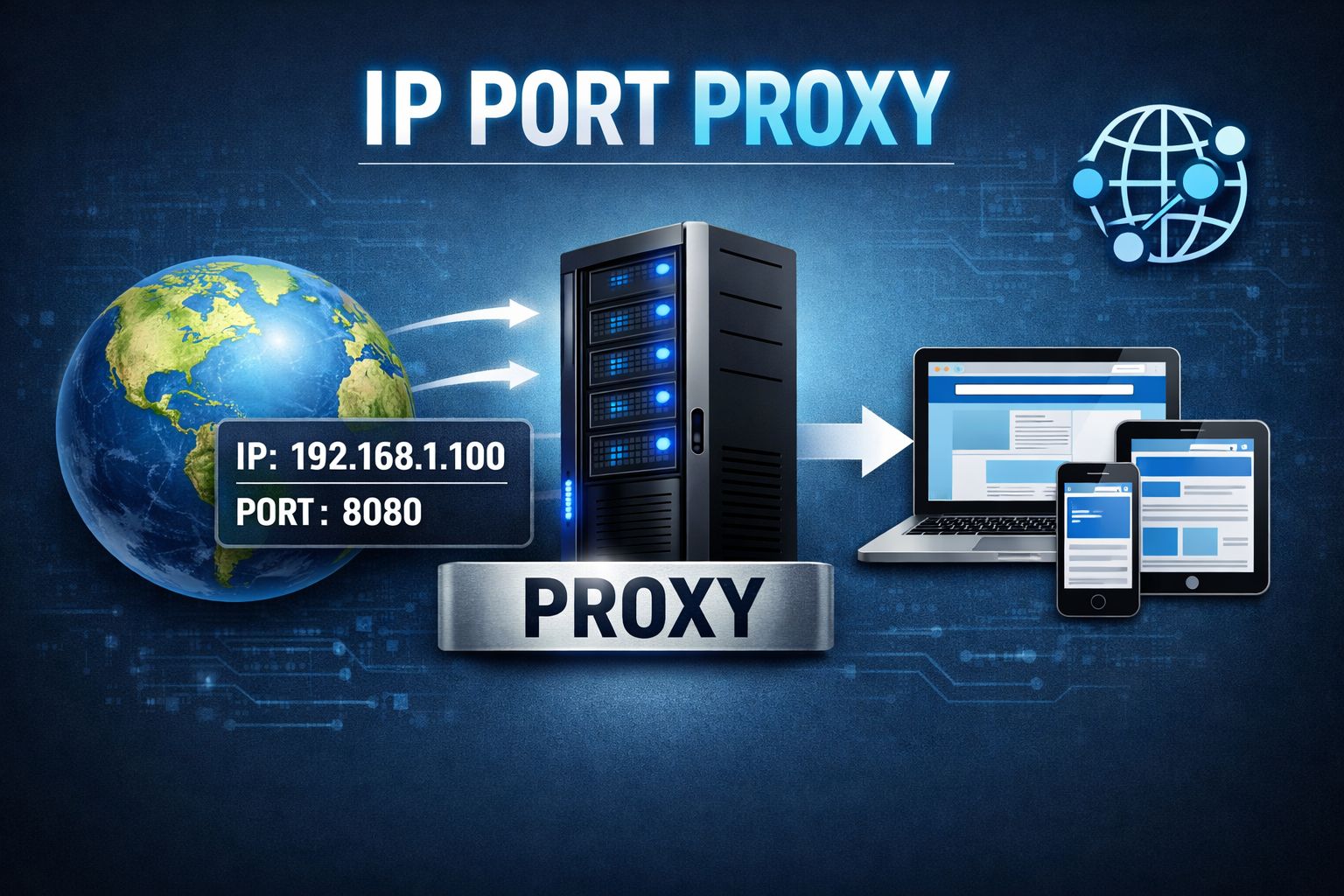
For IT professionals and SEO specialists, an ip port proxy is more than just a configuration setting; it is the fundamental gateway to scalable data acquisition and localized web testing. Understanding the synergy between a proxy host and its port is essential for navigating the complexities of modern network security and geo-fencing.
The Anatomy of an IP Port Proxy
At its core, a proxy connection requires two distinct identifiers: the Host (IP Address) and the Port.
1. The Proxy Host (The Destination): This is the numerical label (IPv4 or IPv6) or hostname that identifies where the proxy server resides on the internet.
2. The Proxy Port (The Entrance): Think of the port as a specific “entry point” or “communication gateway”. Just as a large building has many doors for different purposes, a server uses ports (ranging from 1 to 65535) to direct traffic to the correct internal service.
A common analogy used by experts is a corporate phone system: the Proxy Host is the main office phone number, while the ip port proxy‘s port number acts as the specific extension that connects you to the right department.
The Gateway Mechanism in Rotating Proxies
For advanced tasks like web scraping or SERP monitoring, a standard static IP is often insufficient. This is where a rotating proxy setup becomes vital. In these professional configurations, the “Host” you connect to is often a gateway server rather than the final exit IP.
When using a rotating mobile proxy, your application connects to a single persistent host and port. Behind the scenes, the provider manages a vast pool of IPs, automatically assigning a new one for each request or session. This abstraction layer allows for seamless scaling without the need to constantly update your software’s configuration.
Strategic Applications: Mobile and Dedicated Solutions
Different use cases require specific proxy architectures:
• 4G Mobile Proxy: These utilize real cellular network IPs, making them nearly impossible for platforms like TikTok or Instagram to distinguish from genuine mobile users.
• Dedicated Proxy: For tasks requiring long-term session stability, such as managing e-commerce accounts, a dedicated (static) IP ensures that your “digital footprint” remains consistent over time.
The Evolution from “Free” to Professional Grade
While the web is full of “free ip port proxy” lists—often described as a “mysterious adventure” or a “treasure hunt”—professional practitioners know the inherent risks. Free proxies are frequently unstable, and their “ports” can fail like a storm hitting a mariner. For IT and SEO practitioners, the cost of downtime and data corruption far outweighs the perceived savings of free lists.
For those seeking enterprise-grade reliability, YiLu Proxy offers a robust alternative. YiLu provides a comprehensive suite of residential, datacenter, and mobile IPs tailored for high-performance tasks. Whether you need precise geo-targeting or high-concurrency rotating pools, YiLu’s infrastructure ensures your “entry points” are always open and secure.
Experience the difference in connection stability today—YiLu Proxy offers a free trial for new users to test their high-speed network integration.
Conclusion
Understanding the ip port proxy relationship is the first step toward building resilient web automation. By moving beyond “free” lists and utilizing sophisticated rotating mobile proxy gateways, you can ensure your web operations remain anonymous, efficient, and scalable.